The Maryland Weatherization Assistance Program delivers permanent home energy upgrades at no cost to income-qualified households—reducing utility bills by 15–35% every month, year after year. Unlike one-time bill payment assistance, MWAP fixes the root causes of high energy costs through comprehensive insulation, air sealing, and HVAC improvements.
- MWAP provides free, permanent home upgrades that reduce energy use by 15–35% long-term, delivering ongoing savings far beyond one-time bill payment assistance.
- Households earning up to 200% of the federal poverty level qualify ($62,400 for a family of four in 2025), with automatic eligibility if you receive SNAP, TANF, or SSI benefits.
- Both renters and homeowners qualify, though renters need written landlord permission—and landlords cannot raise rent for one year after weatherization work is complete.
- Priority status accelerates service for households with elderly members, young children, or individuals with disabilities, cutting wait times of 2–18 months significantly.
- The free home energy audit uses blower door tests and infrared imaging to pinpoint exactly where your home loses energy, creating a data-driven work plan that maximizes savings.
- Comprehensive improvements include insulation, air sealing, HVAC repairs, LED lighting, and critical safety upgrades like carbon monoxide detectors—all tailored to your home’s specific needs.
Read the full guide to understand the complete application process, timeline expectations, and how to maximize your weatherization benefits while lowering your utility bills for years to come.
Introduction
Your winter heating bill just jumped 40% from last year. Your AC ran constantly last summer, yet some rooms stayed stuffy while others felt like a freezer. The culprit isn’t your utility company—it’s your home itself.
Air leaks, missing insulation, and inefficient systems silently drain hundreds of dollars from Maryland households every year. Most families can’t afford the $3,000–$8,000 needed to fix these problems out of pocket.
The Maryland Weatherization Assistance Program solves this at zero cost if your household income falls at or below $62,400 for a family of four. Unlike bill payment assistance that helps once, MWAP makes permanent upgrades that lower your energy costs every single month, year after year.
This isn’t a loan. You won’t repay anything. A certified energy auditor assesses your home, and trained professionals install everything from attic insulation to new HVAC systems—completely free.
Most Maryland households see their energy use drop 15–35% after weatherization work wraps up. That means lower bills regardless of whether electricity rates climb or plummet, plus consistent indoor temperatures and cleaner air.
The program serves both homeowners and renters (with landlord permission), and prioritizes families with young children, elderly members, or household members with disabilities.
You’ll need proof of income, residence documentation, and photo IDs for every adult in your home. The application takes 2–6 weeks to process, though wait times for actual service vary by county and funding availability.
Here’s exactly how MWAP works, who qualifies, what improvements you’ll receive, and how to start your application through your local weatherization agency.

What Is the Maryland Weatherization Assistance Program (MWAP)?
The Maryland Weatherization Assistance Program provides no-cost home energy efficiency upgrades to income-qualified households across the state. Unlike one-time bill assistance, MWAP makes permanent improvements that lower your energy costs year after year.
The program is federally funded through the U.S. Department of Energy and administered by the Maryland Department of Housing and Community Development (DHCD). Local weatherization agencies in your county handle applications and install the improvements.
How MWAP Differs from Bill Payment Help
MWAP focuses on fixing the root causes of high energy bills—poor insulation, air leaks, and inefficient equipment—rather than just helping you pay current bills.
Think of it this way: the Energy Assistance Program (covered in our main Maryland Energy Assistance Programs guide) helps you pay this month’s bill. MWAP reduces every future bill by making your home more efficient.
Long-Term Savings You Can Expect
Most Maryland households see energy use drop 15–35% after weatherization work is complete. That translates to lower utility bills every month, even as energy rates fluctuate.
Beyond the savings, you’ll gain:
- Better indoor comfort: fewer drafts, more consistent temperatures room-to-room
- Improved air quality: proper ventilation and sealed ducts mean cleaner air
- Enhanced safety: carbon monoxide detectors, smoke alarms, and electrical hazard fixes included
- Environmental impact: reduced energy use means a smaller carbon footprint for your household
What Work MWAP Actually Covers
The program provides comprehensive improvements tailored to your home’s specific needs. The Maryland Weatherization Assistance Program eligibility is based on income and other factors.
Insulation and Air Sealing:
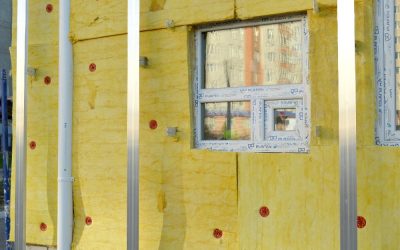
- Attic, wall, floor, and rim joist insulation upgrades
- Sealing air leaks in your building envelope, ductwork, windows, and doors
Heating and Cooling:
- Repair or replacement of non-functioning HVAC systems when cost-effective
- Ductwork repairs to eliminate energy waste
Health and Safety:
- Ventilation improvements to ensure fresh air circulation
- Carbon monoxide and smoke detectors
- Minor electrical hazard remediation
Additional Upgrades:
- LED lighting throughout your home
- Energy-efficient refrigerator replacement (program-dependent)
MWAP does not cover cosmetic repairs, major structural work, or
Who Qualifies for MWAP? Eligibility Requirements
MWAP eligibility is primarily based on your household income. If your total household income is at or below 200% of the federal poverty level, you likely qualify for this free service.
For a family of four in 2025, that’s an annual income of $62,400 or less.
Clear Income Guidelines
Maryland uses the federal poverty level to set clear, fair income limits. This ensures the program serves households that can benefit most from reduced energy burdens.
You automatically meet the income requirements for MWAP if you currently participate in certain assistance programs.
Automatic Eligibility
If you receive benefits from any of the following programs, your eligibility is confirmed:
- SNAP (Supplemental Nutrition Assistance Program)
- TANF (Temporary Assistance for Needy Families)
- Supplemental Security Income (SSI)
Your benefit award letter serves as your proof of income, streamlining the application.
Priority for Vulnerable Households
Income-eligible households with elderly members, young children, or individuals with disabilities are given priority status. This helps those most vulnerable to extreme temperatures get help faster.
Homeowners and Renters
Both homeowners and renters can qualify, but the rules differ slightly. Homeowners must use the property as their primary residence.
For renters, your landlord must provide written permission. The good news is they cannot raise your rent for one year after the weatherization work is completed.
Property Requirements
Your home must be structurally sound for the improvements to be effective and safe. The Local Weatherization Agency will assess your property to confirm it meets basic standards.
Your Maryland home must be your primary residence to be eligible for assistance.

How to Apply for Maryland’s Weatherization Assistance
Applying for the Maryland Weatherization Assistance Program requires working directly with your Local Weatherization Agency, as there is no online application. Many households save significant time by bundling their weatherization request with an application for the Energy Assistance Program during a single appointment.
Call the Office of Home Energy Programs at 1-800-832-6347 to be connected with your county’s designated agency.
What You’ll Need to Bring
Gather these documents before your first appointment:
- Proof of income: Pay stubs, benefit letters, or tax returns
- Proof of residence: Utility bill, lease, or mortgage statement
- Photo ID for every adult in the household
- Social Security numbers for all members
- Benefit documentation if you receive SNAP or SSI
- For renters: a signed landlord consent form
Your Application Journey
The application process for low-income households follows a clear path.
- Call your LWA to schedule an intake appointment.
- Submit your documents with help from agency staff.
- Complete income verification to confirm eligibility.
- Receive a waitlist assignment based on priority and funding.
- Undergo a home energy audit by a certified professional.
- Review the planned work order for your home.
- Schedule the installation, which typically takes 1–5 days.
- Pass a final inspection to close out the project.
Timeline Reality Check
Approval takes 2–6 weeks after you submit a complete application. The subsequent wait for services can range from 2 months to over 18 months, depending on your county’s funding and demand.
Priority is given to vulnerable households with elderly members, young children, or individuals with disabilities, who often move up the list faster. Once scheduled, the weatherization work itself is usually completed within a week.
Start your application early, keep your documents current, and respond promptly to all agency communications.
The Home Energy Audit: What Happens During Assessment
Before any work begins, a certified energy auditor visits your home for a comprehensive home energy audit. This free diagnostic assessment takes 2-4 hours and pinpoints exactly where your home loses energy, helping you lower your utility bills.
Think of it like a doctor’s exam for your house—the auditor measures, tests, and documents every energy leak.
What the Auditor Examines
Your energy auditor inspects multiple systems throughout your home to identify where you can save energy and money.
- Insulation levels in attics, walls, floors, and crawl spaces
- Air leakage points around windows, doors, outlets, and penetrations
- Heating and cooling systems for efficiency and safety
- Ductwork condition and potential air loss
All MWAP auditors hold certifications from organizations like the Building Performance Institute, ensuring they follow industry-standard protocols.
Advanced Diagnostic Equipment
The energy assessment goes beyond visual inspection. BPI-certified auditors use specialized tools that reveal hidden problems.
Blower door test: A powerful fan mounts in your doorway and depressurizes the home, measuring total air leakage.
Infrared imaging: Thermal cameras detect temperature differences in walls, revealing missing insulation and air infiltration.
Combustion safety testing: Ensures fuel-burning appliances vent properly without creating carbon monoxide hazards.
Your Personalized Work Plan
After completing diagnostics, the auditor generates a detailed report ranking improvements by cost-effectiveness and energy savings potential.
You’ll receive a clear work order specifying exactly what weatherization improvements your home will receive. This typically includes insulation upgrades, air sealing, and any necessary health and safety measures.
The audit determines your project scope—no guesswork, just data-driven recommendations that deliver measurable savings on your utility bills for years to come.
Conclusion
The Maryland Weatherization Assistance Program transforms high energy bills into permanent savings—no cost to you, no strings attached. While one-time payment assistance keeps the lights on this month, MWAP fixes the root causes driving those bills up in the first place.
Most qualifying households see energy use drop 15–35% after weatherization work is complete. That’s real money back in your budget every single month, plus a more comfortable home year-round.
Your immediate action items:
- Gather your income documentation now: pay stubs, benefit letters, utility bills, and photo IDs for all adults
- Schedule your intake appointment during Energy Assistance Program season to potentially qualify for both programs in one visit
- Ask about priority status if your household includes elderly members, young children, or individuals with disabilities
- Request landlord consent in writing if you rent—remind them they cannot raise your rent for 12 months post-weatherization
The waitlist can stretch 2–18 months depending on your county, which makes starting today critical. Every month you delay is another month of overpaying for energy that’s leaking through your walls and windows.
Priority households move faster through the queue, so if you qualify for expedited service, make sure your Local Weatherization Agency knows during your first call.
Your home is likely wasting 15–35% of the energy you’re paying for right now. The Maryland Weatherization Assistance Program fixes that—permanently, professionally, and at zero cost to qualifying households.
The sooner you apply, the sooner you stop overpaying. Pick up the phone today.